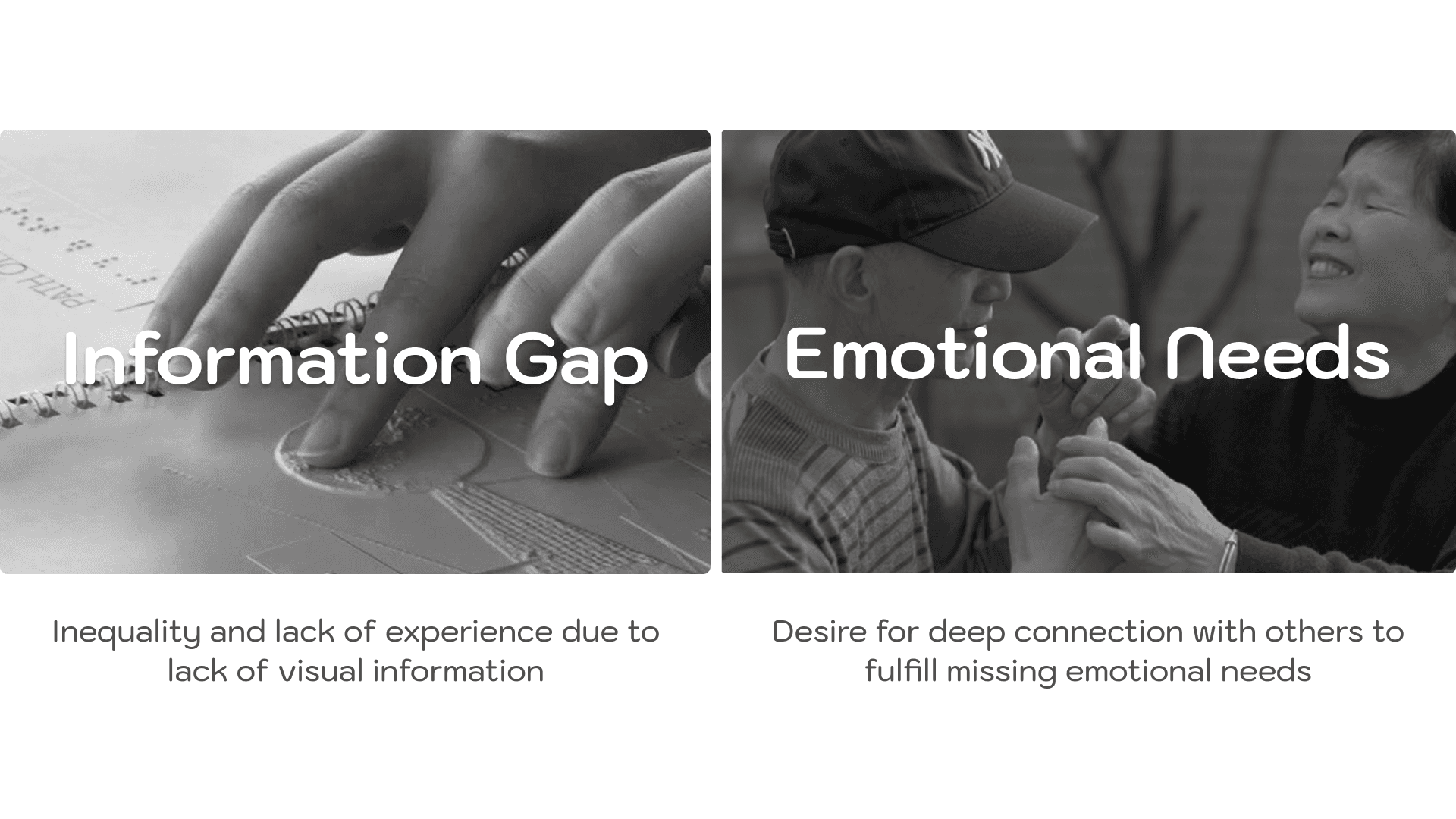

Batty: AI-Driven Socialization Device for the Visually Impaired
AI Product | Accessibility | Human-AI Interaction
Role
Designer
Industry
School project
Duration
4 weeks
02. THE SOLUTION: A NEW HAPTIC LANGUAGE
Designing for Multimodal Interaction
The core challenge was translating complex, fluid facial expressions into a tactile language that is intuitive, discreet, and easy to learn.


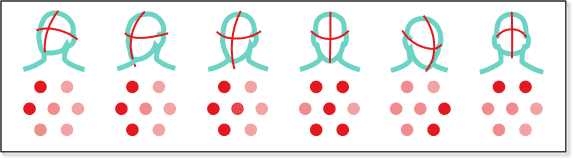
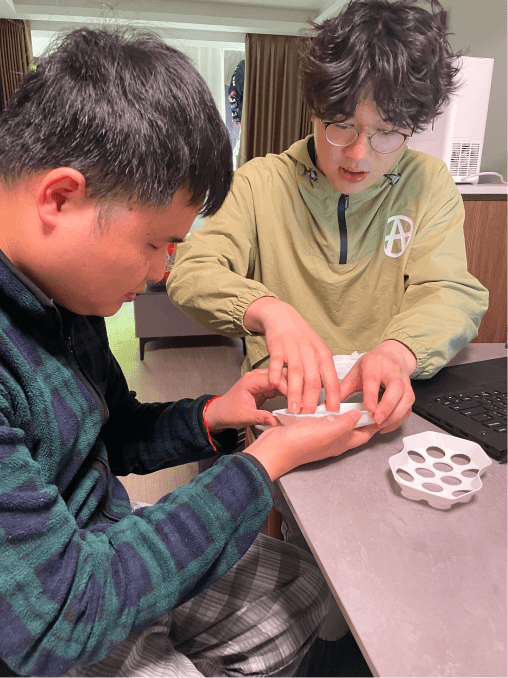
The 5-Point Magnetic Matrix: I designed a simplified 5-dot matrix that maps facial rotations and primary emotions (joy, sorrow, surprise, etc.) into specific tactile patterns.
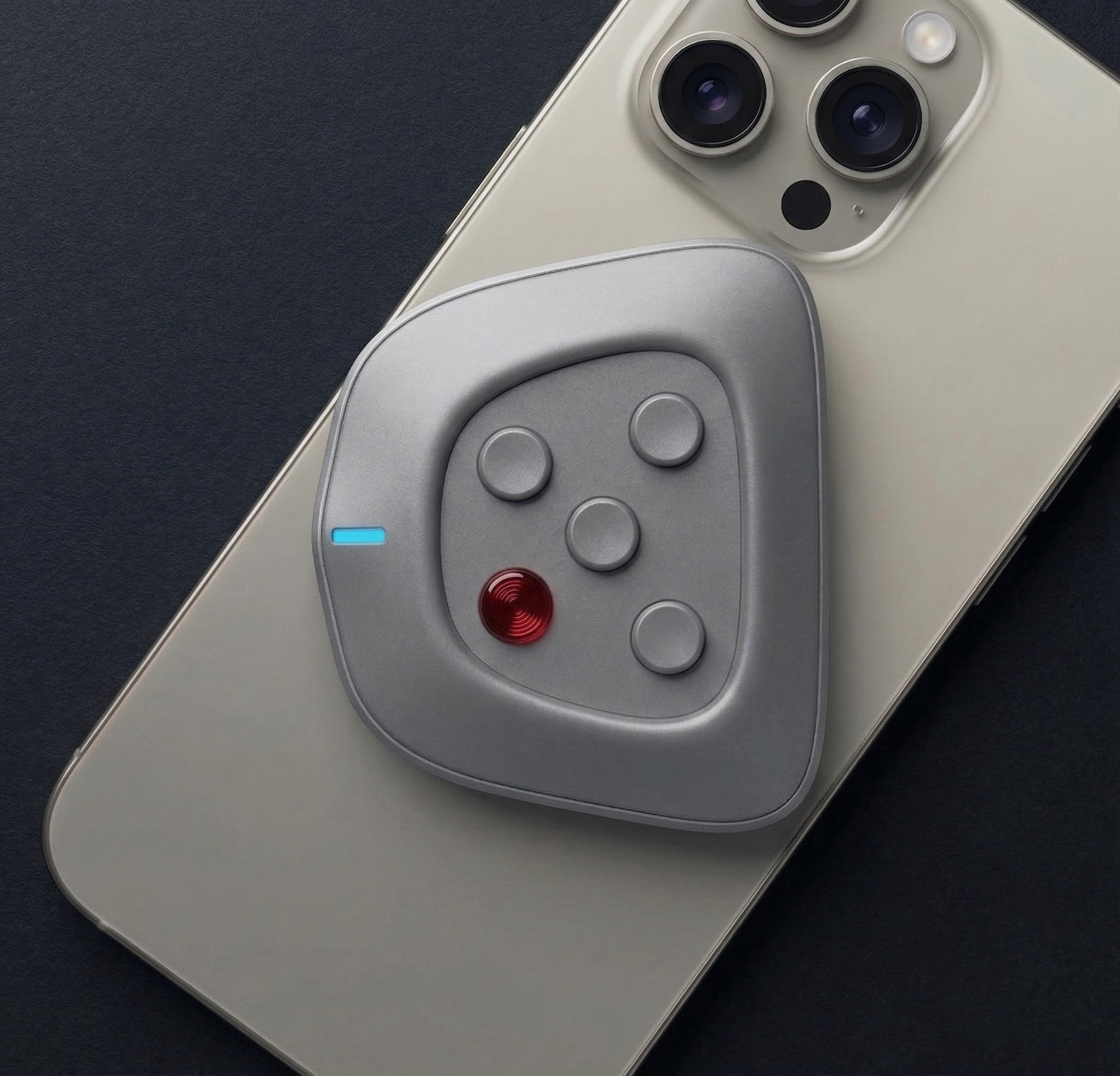
Form Follows Empathy: Unlike bulky wearable gear, Batty is a sleek, palm-sized peripheral that magnetically attaches to the back of a smartphone. This utilizes the phone’s existing processing power and camera while ensuring the device is portable and socially unobtrusive.
Ergonomic Grip: The form factor was iteratively refined through user testing to ensure that when a user holds their phone during a video call, their fingers naturally rest on the haptic feedback zone.
03.TECHNICAL ARCHITECTURE & PROTOTYPING
From Vision Algorithms to Physical Sensation
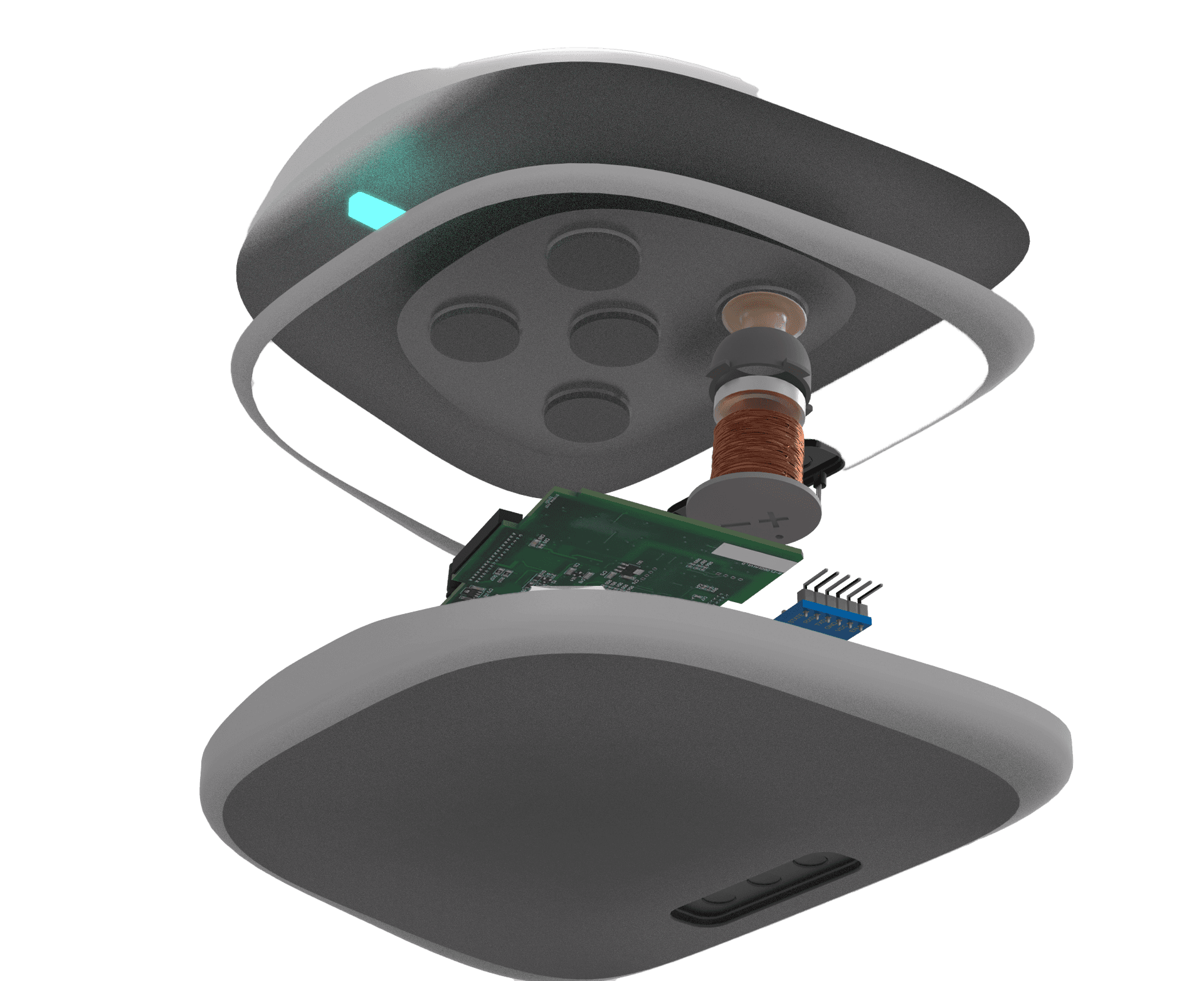
To validate the feasibility of a real-time "Vision-to-Touch" pipeline, I developed a functional MVP using an integrated hardware-software stack:
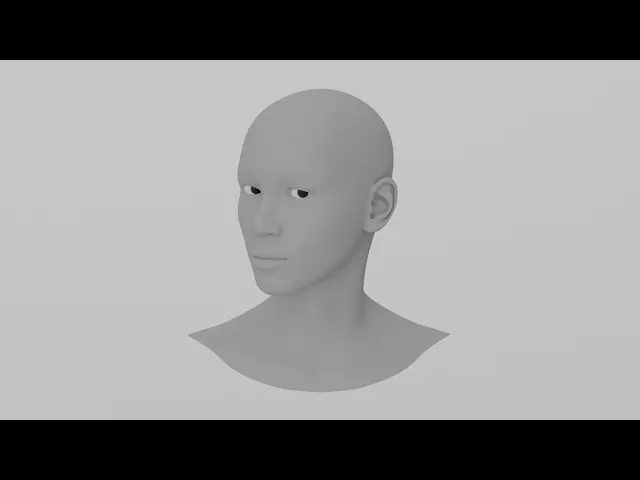
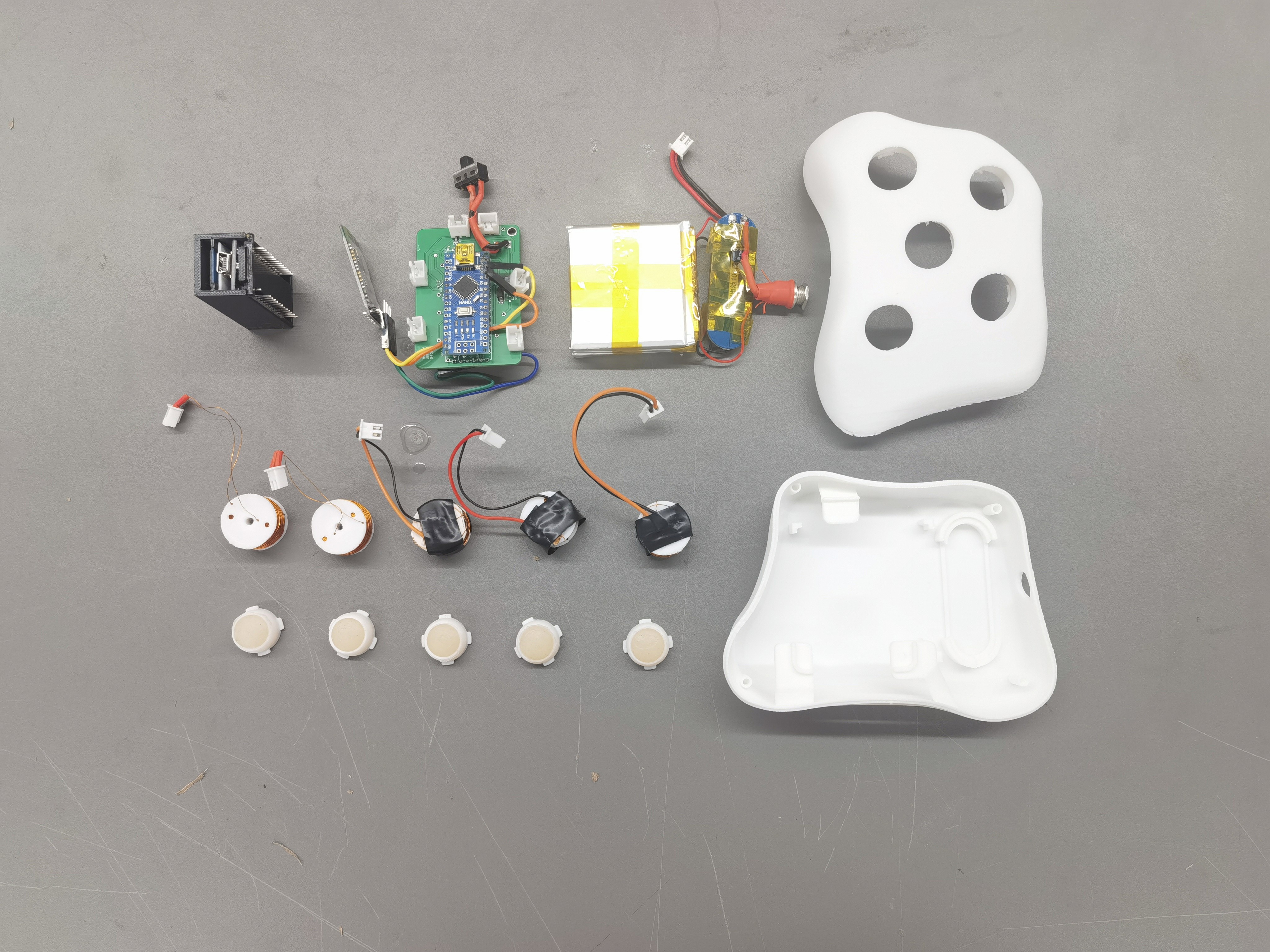
AI Vision Processing: Utilizing facial landmark detection to identify emotional states and head orientations.
Low-Latency Transmission: Data is sent via Bluetooth to an Arduino Nano-controlled circuit.

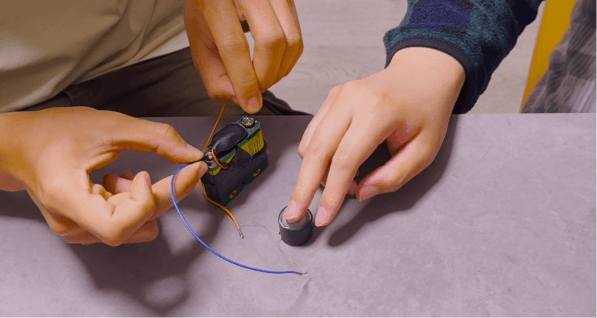
Electromagnetic Feedback: The system drives a series of miniature solenoids to create precise physical "bumps" on the dot matrix, providing instantaneous feedback to the user’s fingertips.
User Validation: Testing with prototypes revealed that users could correctly identify head rotations with 90%+ accuracy after minimal training, significantly increasing their confidence during social calls.
04. STRATEGIC VISION & ECOSYSTEM
Beyond the Device: A Standard for Inclusive Socialization
Batty is more than a standalone gadget; it is a proof-of-concept for an Inclusive Social Protocol.
Scalability: The logic of Batty can be integrated into mainstream social platforms (e.g., TikTok, WeChat, Zoom), allowing AI-generated haptic metadata to be embedded in every video stream.
The Future of Assistive Tech: This project demonstrates my approach to Empathy-driven Innovation—using high-tech (AI & HCI) to solve "soft" human problems (emotional connection). It represents a shift from "assisting life" to "enriching life."
Video Showcase
The product form shown in the video is a low-fidelity prototype. Due to technical limitations, our prototype cannot operate at the anticipated smaller scale, resulting in larger dot matrix sizes and quantities. If these technical challenges can be overcome, the final product form is feasible.
Highlight Moments
In team with:
王道杨, 李泽楷, 潘怡锦
Other projects
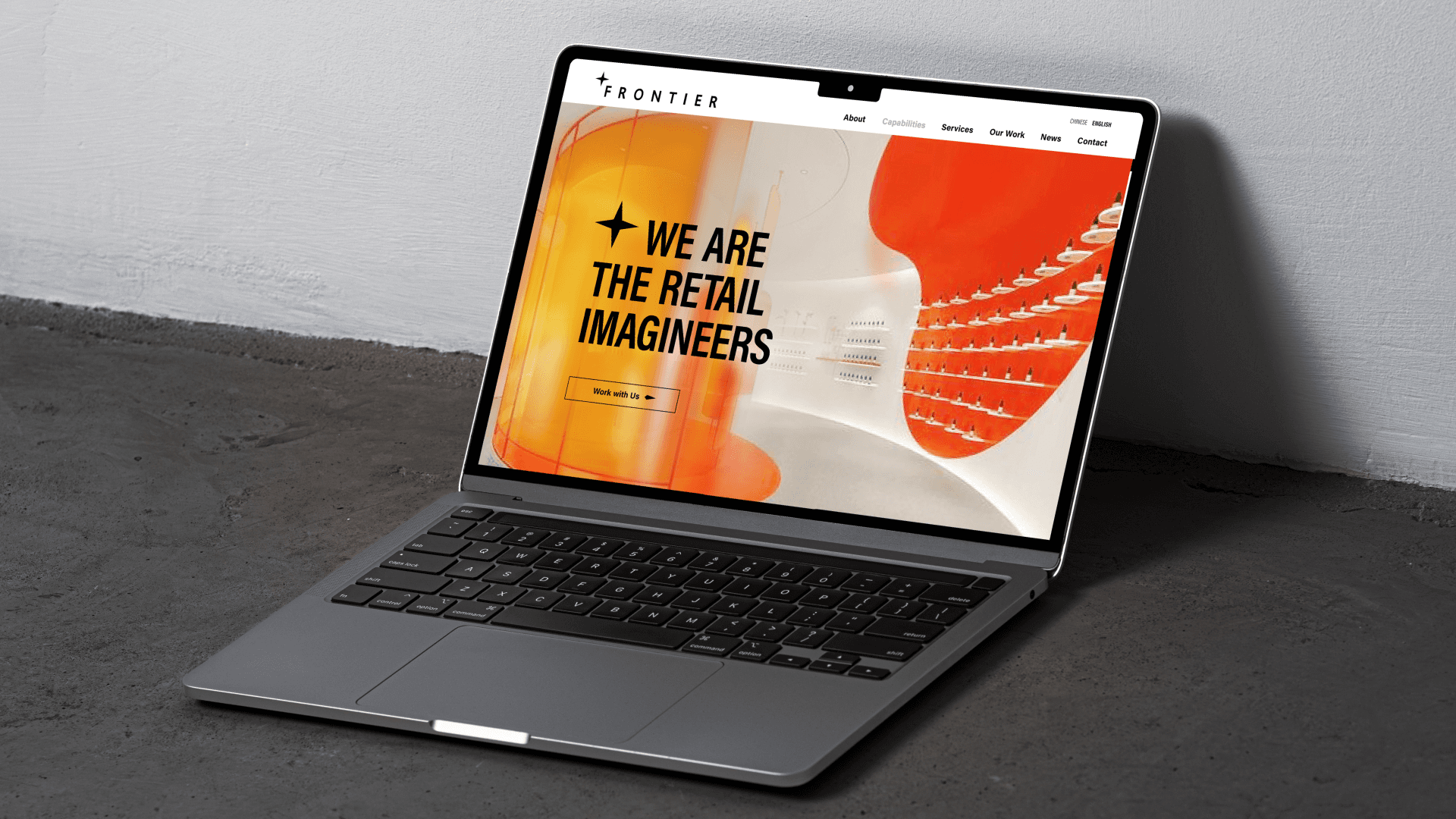
Frontier Group: Digital Transformation for a Global Retail "Imagineer"
UX/UI | Web Design | B2B Strategy
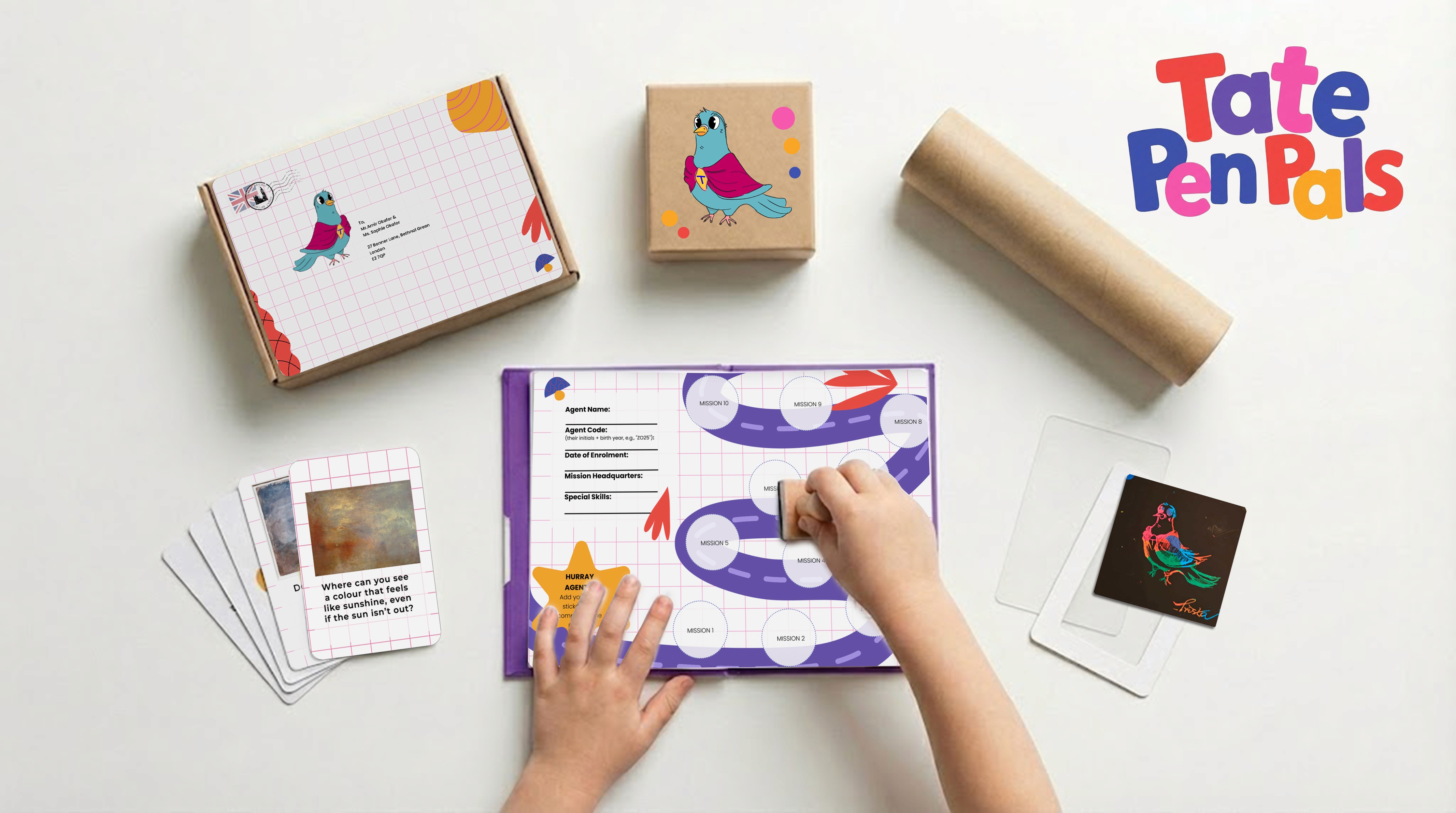
Service design with TATE: Bring the art gallery into families
Service Design | Social Impact | System Thinking
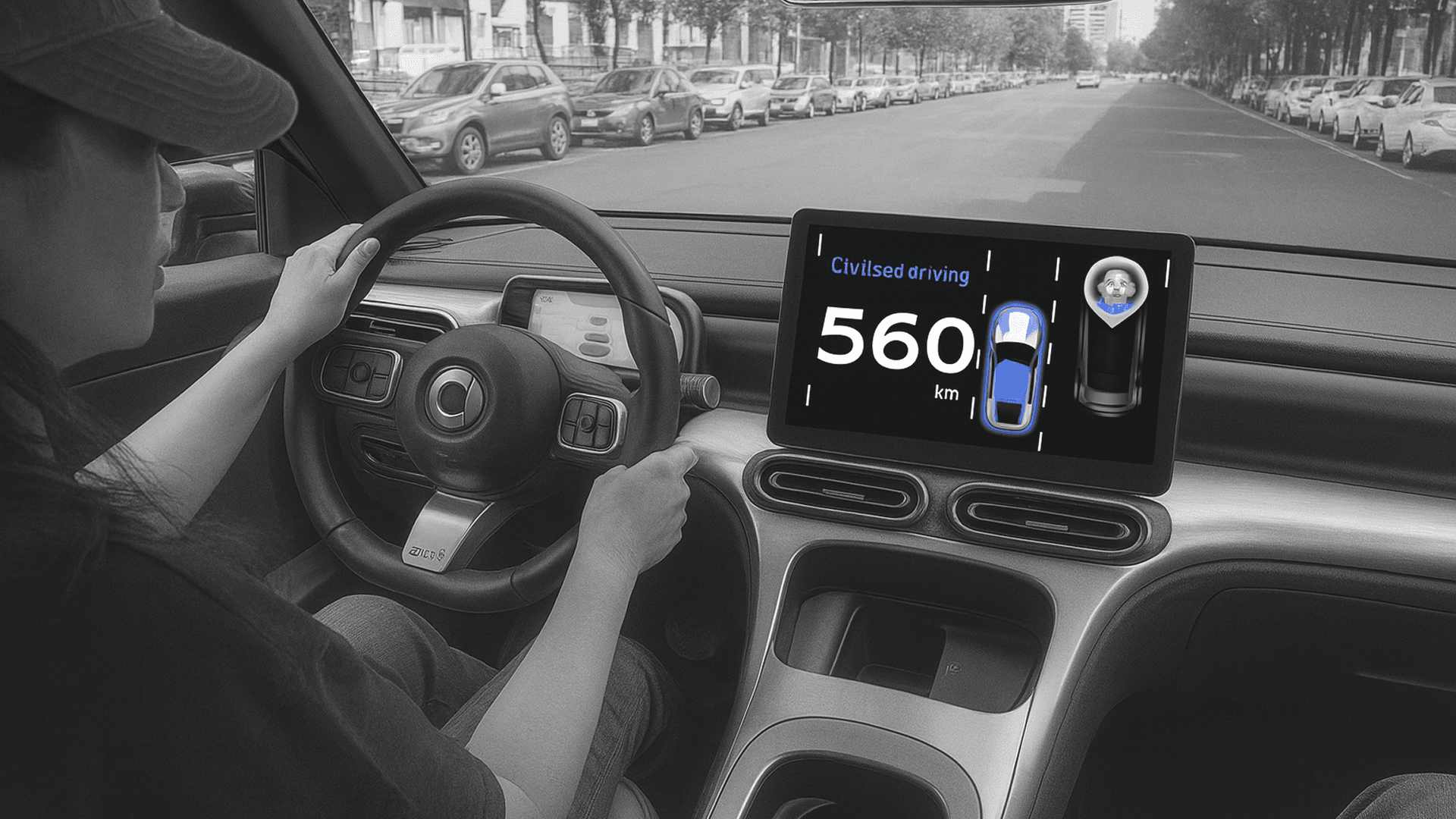
Civil Traffic: Reconstructing Human Connection on the Road
Service Design | User Experience | HMI
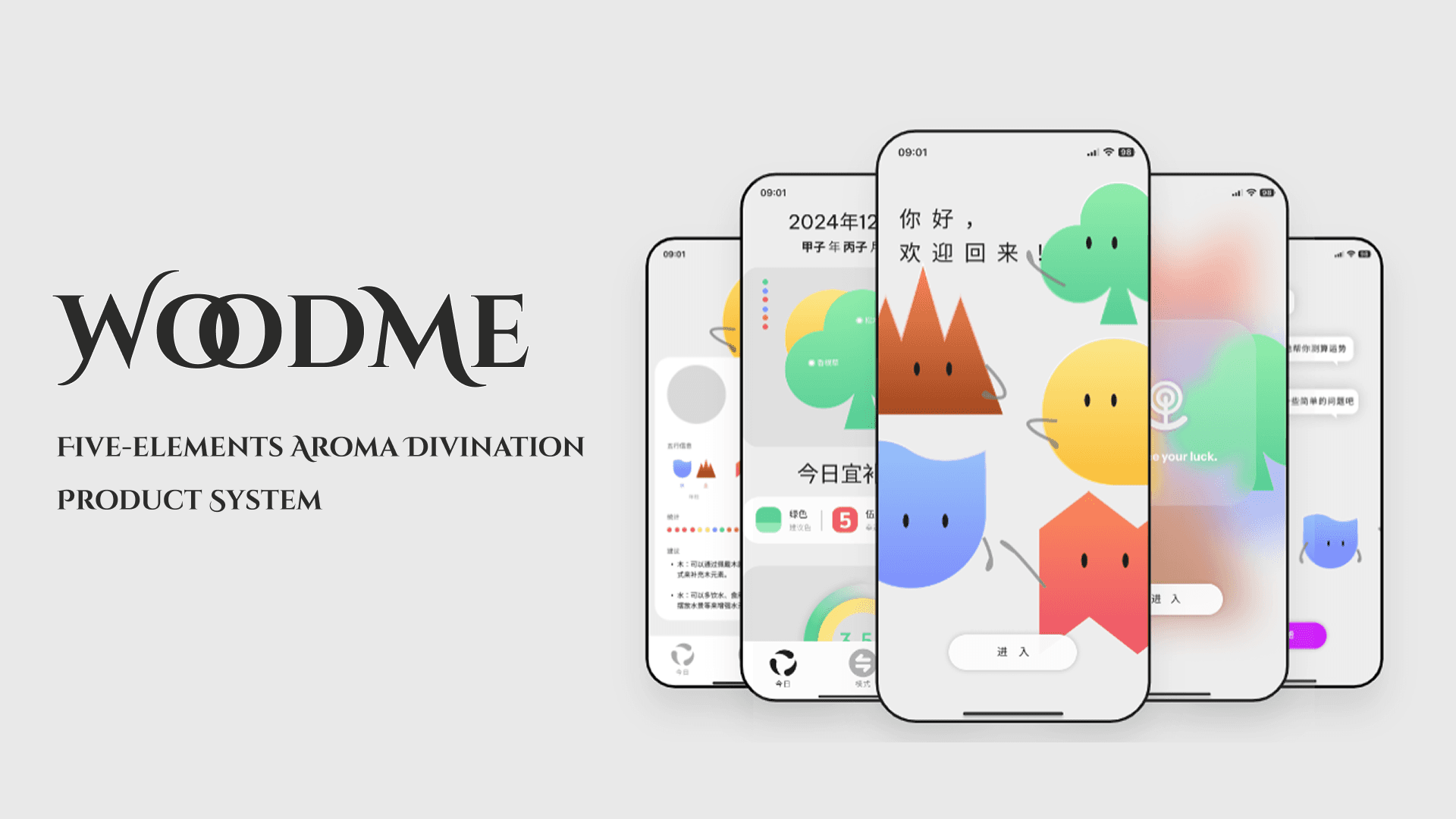
WoodMe: Five-elements Aroma Divination Product System
User Experience | Product | Prototype

Graduation project: Carefree holiday with your pets
Service | Strategy | UX